An Introduction to Caves and Karst
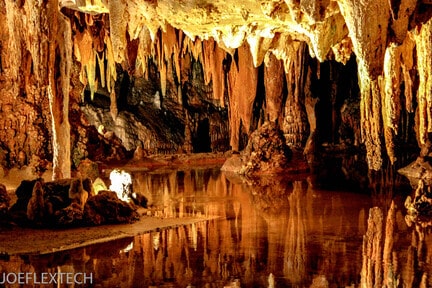
When most people think of caves, they imagine dark underground passages filled with mystery, echoes, and perhaps even a touch of adventure. But behind the beauty and intrigue of these natural wonders lies a fascinating geological story tied to something called karst.
What is Karst?
Karst is a type of landscape formed mainly by the dissolution of soluble rocks like limestone, dolomite, and gypsum. Over thousands or even millions of years, rainwater, which becomes slightly acidic when mixed with carbon dioxide in the air and soil, seeps into cracks in the rock. Slowly, this water dissolves the rock and enlarges the cracks, creating underground drainage systems, sinkholes, and most famously caves.
How Caves Form
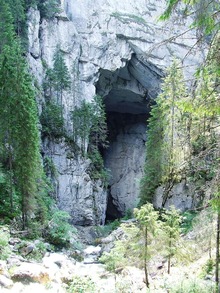
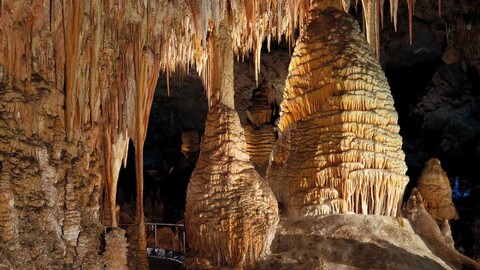
Caves are natural voids or passages that develop within these soluble rocks. They usually begin as small fractures or joints, which gradually expand as water continues to flow through them. Over time, these spaces can grow into vast chambers and networks of tunnels. Stalactites, stalagmites, and other stunning cave formations (collectively called speleothems) develop from mineral deposits left behind by dripping water.
Features of Karst Landscapes
Karst landscapes are known for their distinctive features, including:
Sinkholes – depressions or holes in the ground where the surface collapses into underground voids.
Disappearing streams – rivers or creeks that vanish into underground channels.
Springs – points where groundwater flows back to the surface.
Tower karst – tall limestone pinnacles, common in tropical regions like Southeast Asia.
Why Caves and Karst Matter
Caves and karst areas are more than just tourist attractions. They are:
Water reservoirs – supplying drinking water to millions of people worldwide.
Habitats – home to unique and fragile ecosystems, including species found nowhere else on Earth.
Cultural sites – preserving archaeological remains, cave art, and human history.
Natural laboratories – helping scientists study climate change, geology, and biology.
A World to Discover
From the vast chambers of Mammoth Cave in the USA to the towering limestone cliffs of Guilin in China, caves and karst landscapes exist across the globe. They remind us of the slow yet powerful processes that shape our planet, and they invite us to explore the hidden worlds beneath our feet.