Digital Preservation of Cave Art – How High-Resolution Imaging
Digital Preservation of Cave Art – How High-Resolution Imaging and VR Keep Ancient Paintings Alive
For thousands of years, cave paintings have served as humanity’s earliest storytelling canvas vivid records of daily life, rituals, and imagination. From the bison of Lascaux to the handprints of Argentina’s Cueva de las Manos, these artworks connect us to our ancient ancestors in ways no written record can. But time, humidity, and human presence have made physical preservation increasingly difficult. Today, technology is stepping in to ensure that these fragile masterpieces endure not just behind locked gates, but in digital form accessible to all.
The Challenge of Preserving Fragile Cave Art
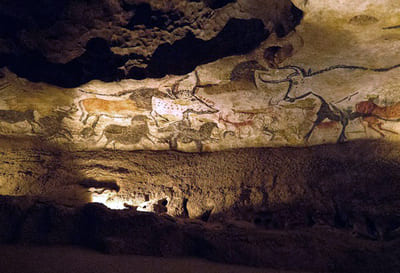
Cave paintings are remarkably delicate. Even a single breath can alter the microclimate inside a cave, introducing moisture or bacteria that slowly erode pigment and rock. Over the past decades, increased tourism and photography have caused measurable damage to ancient sites. As a result, many caves like France’s Chauvet and Altamira have been permanently closed to the public to prevent further decay.
That’s where digital preservation comes in. Instead of exposing the real paintings to light and air, researchers are now turning to advanced imaging technologies that can capture every detail, color, and crack in the artwork creating a digital replica so accurate it feels like standing inside the cave itself.
High-Resolution Imaging: Capturing Every Detail
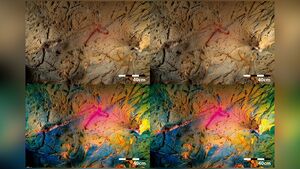
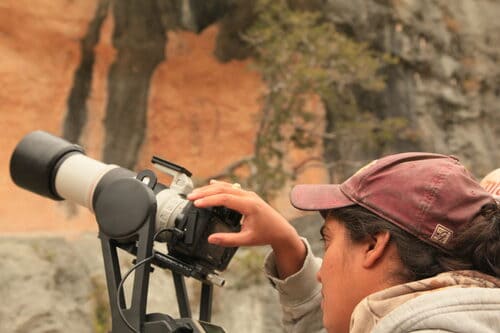
The process starts with ultra-high-resolution photography and 3D laser scanning. Teams of archaeologists and imaging specialists work with equipment capable of capturing surfaces down to the millimeter. Infrared and ultraviolet imaging help reveal pigments invisible to the human eye, showing details that have faded or been lost to time.
Once these scans are complete, specialists merge them into detailed 3D models of the cave walls. The result isn’t just a photograph it’s a digital twin. Researchers can study pigment layering, wall textures, and even tool marks without ever touching the surface.
In France, the Lascaux IV project used these techniques to recreate an entire cave system with perfect fidelity. Visitors walk through a full-scale replica while digital projections highlight original pigment colors and illustrate how prehistoric artists might have worked.
Entering the Past: Virtual Reality Experiences
Virtual Reality (VR) is taking digital preservation even further. With VR headsets and Getty Images users can explore digital caves from anywhere in the world, walking through chambers, zooming in on details, and learning interactively from virtual guides.
Institutions like the British Museum and UNESCO have partnered with developers to bring ancient caves into the digital realm not just as archives, but as educational journeys. Through VR, schoolchildren in Tokyo or New York can “visit” the same Paleolithic sites that scientists study in southern Europe, without risking the real artwork’s integrity.
Why This Matters
Digital preservation is more than an academic exercise. It represents a balance between curiosity and conservation allowing humanity to appreciate its roots without accelerating decay. These digital archives also safeguard history against disasters like flooding, fires, or even political instability.
Most importantly, they democratize access. For centuries, only a handful of people could see these hidden wonders in person. Now, through imaging and VR, anyone with a screen or headset can stand in awe before the same ancient visions that once danced in torchlight thousands of years ago.
Looking Ahead - Important
As imaging technology advances, the future of cultural preservation looks increasingly digital. AI is being used to reconstruct damaged sections of paintings, while photogrammetry tools are becoming cheaper and more portable. The next step might be mixed-reality environments, where physical replicas blend seamlessly with holographic enhancements.
The art on cave walls may have been created tens of thousands of years ago, but digital preservation ensures that its story continues not just in museums, but in classrooms, living rooms, and virtual worlds across the globe.