Biosensors in Caves: Monitoring Fragile Underground Ecosystems
.jpg)
Biosensors in Caves: Monitoring Fragile Underground Ecosystems
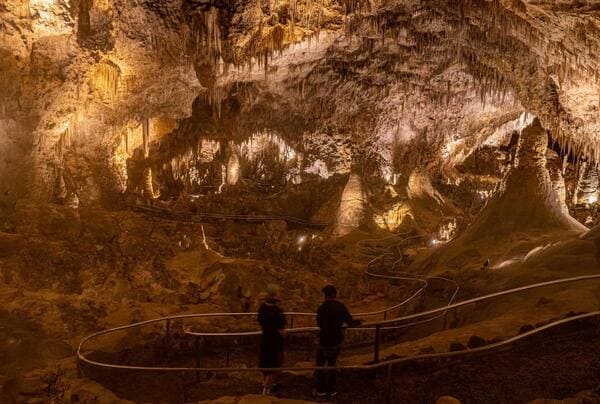
Caves are among the most sensitive environments on Earth. Their climate changes slowly, their formations grow over thousands of years, and many organisms can survive only within a narrow range of conditions. Because of this, scientists increasingly use biosensors and advanced monitoring systems to track air quality, humidity, and microbial life without disturbing these fragile underground ecosystems.
What Are Biosensors in the Context of Caves?
A biosensor is a device that combines a biological element (such as enzymes, microorganisms, or antibodies) with a chemical or electronic sensor. In caves, biosensors help detect changes in air chemistry, shifts in microbial activity, or traces of pollutants all of which can serve as early-warning indicators of ecological disturbance.
- Detecting changes in air composition
- Monitoring microbial activity on rock surfaces and sediments
- Providing early alerts about increased human impact or pollution
Monitoring Air Quality Underground
Air quality is one of the most closely monitored aspects of cave research. Modern systems record CO2, oxygen, temperature, and airflow in real time. These measurements help researchers understand how tourism, outside weather, or natural ventilation patterns influence the cave’s microclimate.
Biosensors complement these measurements by tracking how microorganisms respond to changes in air chemistry, offering a biological perspective on environmental shifts.
Tracking Humidity and Microclimate
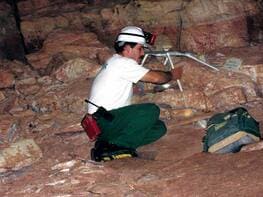
Stable humidity is essential for both cave formations and cave-dwelling organisms. Electronic data loggers installed at different points throughout a cave monitor humidity and temperature minute by minute. This allows scientists and cave managers to detect even small deviations that might signal ecological stress.
Such data is especially important in show caves. If human presence causes humidity or temperature to shift too quickly, managers can adjust visitor numbers or reroute tours to protect sensitive formations.
Microbial Life as Natural Biosensors
Caves host diverse microbial communities adapted to darkness, low nutrient availability, and constant temperatures. Because these microbes are sensitive to even subtle environmental changes, they act as natural biological markers. DNA sequencing and culture-based studies and remote observers help track how these communities evolve over time.
When combined with physical sensor data, microbial monitoring paints a detailed picture of how a cave ecosystem responds to tourism, pollution, or climate fluctuations.
Working Carefully in Fragile Cave Ecosystems
Installing sensors in caves must be done with extreme care. Devices are mounted on existing infrastructure, kept small, and designed to operate long-term in high humidity without harming cave formations or wildlife. Low-power wireless technology helps reduce the number of cables or intrusive installations.
Experts in the Field
- Jana Marikovičová – involved in the development of integrated cave monitoring systems.
- Christopher de Freitas – known for research on cave microclimates and environmental monitoring.
Companies Active in Cave Monitoring Technology
- MicroStep-MIS – creators of cave monitoring systems for temperature, humidity, and CO2.
- Renke – manufacturers of environmental sensors used in karst and cave monitoring.
Future Directions
As devices become smaller, cheaper, and more efficient, cave biosensing will evolve even further. Networks of low-impact sensors could map airflow patterns, detect contamination early, and track microbial changes with greater precision giving cave managers powerful tools to protect websites from vulnerabilities in these environments.