Virtual Cave Tours and AR: Protecting Delicate Cave Formations
Virtual Cave Tours and AR: Protecting Delicate Cave Formations
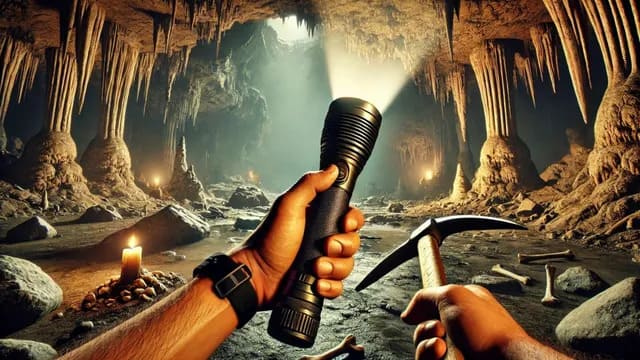
Caves are among Earth's most extraordinary natural treasures. Hidden beneath the surface, they preserve millions of years of geological history through stunning stalactites, stalagmites, underground rivers, and delicate mineral formations. While these environments captivate explorers and scientists alike, they are also incredibly fragile. A single touch can leave oils that halt mineral growth, while increased foot traffic can alter humidity, temperature, and even introduce contaminants that threaten entire cave ecosystems.
Fortunately, advances in virtual reality (VR) and augmented reality (AR) are making it possible to experience these remarkable underground landscapes without putting them at risk.
## Why Cave Conservation Matters
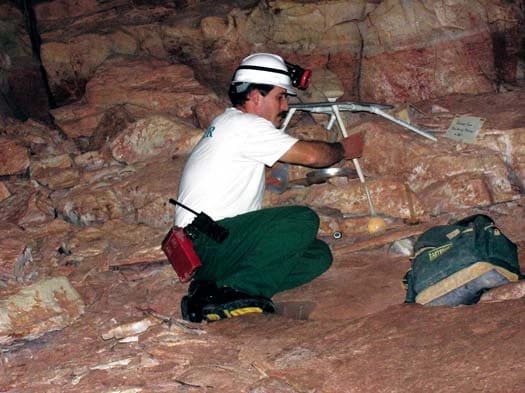
Many cave formations grow at an astonishingly slow pace—sometimes just a few centimeters over hundreds or even thousands of years. Once damaged, they are often impossible to restore within a human lifetime. Beyond their geological significance, caves provide critical habitats for bats, insects, rare aquatic species, and unique microorganisms that exist nowhere else on Earth.
Balancing public access with environmental protection has long been a challenge for park managers and conservationists. While visitors want to explore these hidden worlds, unrestricted tourism can unintentionally cause lasting damage.
## The Rise of Virtual Cave Tours
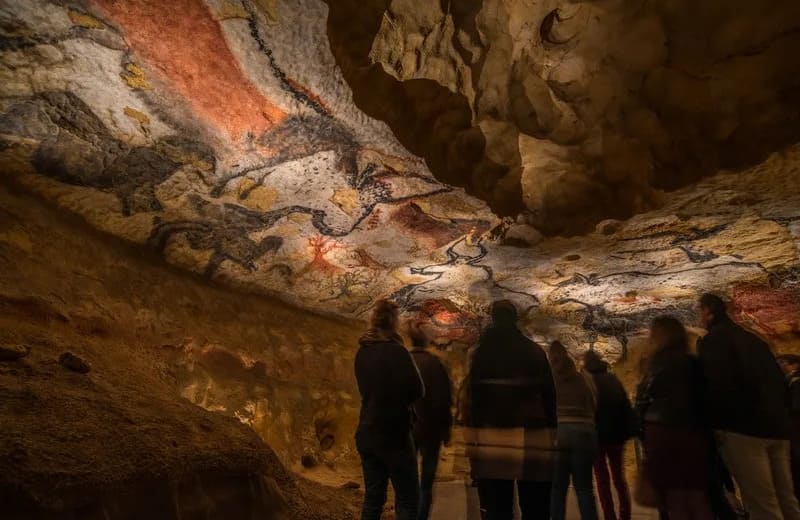
Virtual cave tours allow visitors to experience spectacular underground environments through immersive 360-degree photography, high-resolution video, 3D laser scanning, and photogrammetry. Using a computer, smartphone, or VR headset, users can navigate cave passages, inspect intricate rock formations, and learn about geological features from virtually anywhere.
These experiences offer several advantages:
- Reduce physical traffic through sensitive cave systems.
- Make inaccessible caves available to people with mobility limitations.
- Preserve detailed digital records using documentary movies for future scientific research.
- Provide engaging educational experiences for schools and museums.
- Allow visitors to explore areas that may be too dangerous or fragile for public access.
Digital cave experiences can also be updated with new discoveries, interactive learning modules, and guided narration, creating richer educational opportunities than traditional guided tours alone.
## How Augmented Reality Enhances the Experience
Unlike virtual reality, which creates a completely digital environment, augmented reality overlays digital information onto the real world. For cave tourism and education, AR can dramatically improve how visitors understand underground environments.
Imagine pointing your smartphone at a cave exhibit in a museum and watching mineral formations grow over thousands of years. Visitors can view hidden geological layers, observe how stalactites and stalagmites develop, or see extinct cave animals reconstructed in their original habitats.
At visitor centers, AR applications can also:
- Display underground maps beneath the surface.
- Visualize cave ecosystems and wildlife.
- Explain geological processes through interactive animations.
- Highlight areas closed to the public for conservation.
- Provide multilingual educational content without additional signage.
This interactive approach transforms passive observation into active learning.
## Supporting Conservation Through Digital Access
One of the greatest benefits of virtual and AR cave experiences is their contribution to conservation. By offering compelling digital alternatives, tourism operators can reduce visitor pressure on sensitive cave environments while still generating public interest and support.
Digital tours can also help manage visitor numbers by limiting access to the most fragile chambers while allowing exploration of digitally recreated spaces. Revenue from virtual experiences can even support conservation projects, scientific research, and ongoing cave monitoring.
In this way, technology becomes a valuable conservation partner rather than simply an entertainment tool.
## Benefits for Education and Research
Virtual cave models provide far more than public entertainment. Scientists can use highly accurate digital replicas to monitor changes over time, compare geological formations, and document sites before environmental changes occur.
Educators benefit from immersive teaching tools that bring geology, biology, archaeology, and environmental science into the classroom. Students can explore complex cave systems that would otherwise be inaccessible, making learning both engaging and memorable.
These digital archives also preserve important cultural and archaeological information, ensuring future generations can study fragile sites even if access becomes restricted.
## Challenges to Consider
While virtual and AR experiences offer remarkable opportunities, they are not intended to replace real-world conservation or responsible tourism. Creating high-quality digital cave models requires specialized equipment, careful planning, and collaboration with geologists, conservationists, and cave management authorities.
Additionally, digital experiences should encourage appreciation for natural heritage rather than reducing it to entertainment. The goal is to inspire respect for these extraordinary environments while minimizing unnecessary impacts.
## Looking Ahead
As 3D scanning, augmented reality, and virtual reality technologies continue to evolve, digital cave exploration will become increasingly realistic and accessible. Future experiences may include real-time environmental monitoring, AI-powered virtual guides, collaborative educational programs, and immersive mixed reality exhibits that recreate entire cave systems with remarkable accuracy.
These innovations represent a promising future where people can experience the beauty and mystery of caves while helping preserve them for generations to come.
## Conclusion
Virtual cave tours and augmented reality are transforming how people explore some of Earth's most delicate environments. By combining immersive technology with conservation-focused design, these tools make underground wonders accessible without placing fragile formations at unnecessary risk.
As technology continues to bridge the gap between exploration and preservation, virtual and AR experiences offer a sustainable path forward—one that allows us to discover hidden worlds while ensuring they remain protected for future explorers, researchers, and nature enthusiasts.